


In the late 2010s, a quiet revolution unfolded, not in glittering Los Angeles studios or London’s storied Abbey Road, but in countless teenagers’ bedrooms across suburbs and small towns. Armed with laptops, GarageBand, cheap microphones, and raw emotion, a new wave of artists birthed bedroom pop — a genre defined as much by its intimate creation process as by its sound.
What began as a niche, lo-fi offshoot of indie pop has since become one of the most influential forces in contemporary music, reshaping how songs are made, discovered, and consumed. Far from a fleeting TikTok trend, bedroom pop has demonstrated remarkable staying power, evolving while retaining its core DNA of vulnerability and accessibility.
Roots in Rebellion and Lo-Fi Legacy
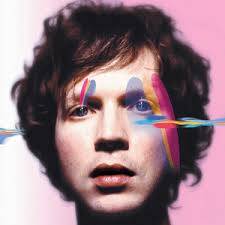
Beck recorded his smash-hit 'Loser' in his bedroom, apparently
Bedroom pop didn’t emerge from out of nowhere. Its spiritual ancestors trace back to the home-recording experiments of the 1960s and 1970s: think Brian Wilson crafting Smiley Smile in makeshift home setups and the 1990s lo-fi movement exemplified by artists like Beck (“Loser” famously recorded in his bedroom) and Elliott Smith, whose Roman Candle was laid down in a basement.
The digital acceleration came in the 2000s and 2010s with affordable DAWs (digital audio workstations), plug-ins, and platforms like SoundCloud, Bandcamp, and YouTube. Suddenly, polished studio perfection was no longer a prerequisite for reaching an audience. The ethos shifted: authenticity over gloss, intimacy over bombast.
The term “bedroom pop” gained mainstream traction around 2018–2020. Spotify even curated official playlists, cementing it as a recognizable genre. But the real spark was viral breakthroughs. Clairo’s 2017 iPhone-filmed “Pretty Girl” exploded online, capturing the DIY spirit perfectly. Similar stories propelled Beabadoobee, Gus Dapperton, and Rex Orange County. Billie Eilish and her brother Finneas took the model to superstar levels, recording Grammy-winning tracks like “bad guy” at home with unconventional methods (including stomps and matches for percussion).
Sonic Signatures and Cultural Resonance
Musically, bedroom pop is characterized by lo-fi textures, hazy reverb, sparse arrangements, soft or breathy vocals, and a dreamy, confessional quality. It blends indie pop, folk, lo-fi hip-hop, dream pop, and even elements of R&B or hyper-pop in later iterations. Production often feels intimate and imperfect: warbly synths, gentle guitar strums, and vocals that sound like whispers shared between friends. Lyrically, it thrives on relatability: teenage angst, mental health struggles, queer experiences, heartbreak, and the mundane poetry of everyday life. This vulnerability resonated deeply with Gen Z audiences navigating social media pressures, isolation, and identity.
The COVID-19 pandemic supercharged its rise. With studios and venues shuttered, home recording became the norm, and listeners craved connection. Bedroom pop’s quiet intimacy felt like a soothing counterpoint to global chaos, accelerating its spread via Tik-Tok virality and streaming algorithms.
From Bedroom to Arena: Evolution and Commercial Success

Eilish became a global icon
Critics once wondered if these artists had staying power beyond novelty. Many have answered emphatically. Clairo transitioned from viral sensation to critically acclaimed albums like Charm (2024), expanding her sound while keeping emotional core intact. Beabadoobee evolved from bedroom sketches to major-label releases with rock edges. Eilish became a global icon, headlining festivals and winning multiple Grammys. Newer waves include PinkPantheress, The Marías, and others blending bedroom aesthetics with electronic, jungle, or alternative influences.
By the mid-2020s, bedroom pop’s aesthetic had permeated the mainstream. Projections in 2026 suggested artists with this DIY-rooted sound accounted for a significant share of chart presence, moving from niche to arena tours. The model empowered diverse voices — young, independent, often from underrepresented backgrounds — who bypassed traditional gatekeepers.
A Genre for the Digital Age
Bedroom pop represents more than a sound — it’s a cultural movement reflecting how technology, youth culture, and emotional needs intersect in the 21st century. It flipped the script on music industry gatekeeping, showing that greatness can emerge from the humblest setups. As streaming and home production continue evolving, its influence will likely persist, whether in pure form or as a foundational element in hybrid pop futures.
From Clairo’s hushed confessions to Eilish’s chart-dominating whispers, bedroom pop reminds us that the most powerful music often starts small - between four walls, with nothing but ideas, feelings, and a microphone. In a noisy world, that quiet power endures.
Add comment
Comments