

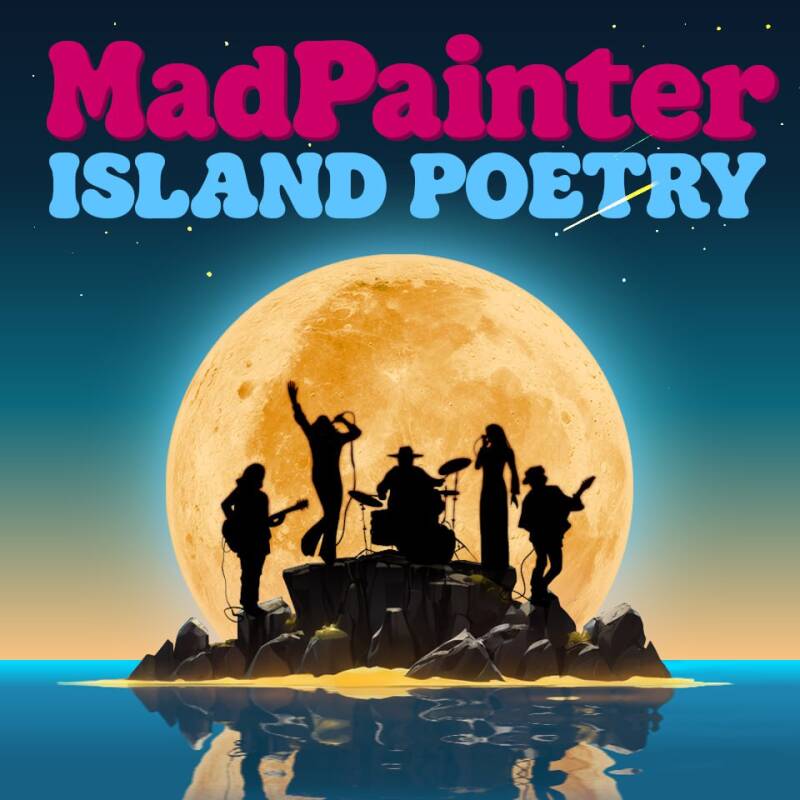
While half the modern music industry spends its days hunting for viral TikTok trends, Boston’s Mad Painter have gone digging through the crates of the 1970s. They’ve emerged from the studio with a heavy Hammond organ, stacks of guitar leads, and a fierce, unshakeable belief that a great record should sound like it’s right on the edge of catching fire. Released via the independent Italian label Epictronic, their latest offering, Island Poetry, is an unapologetic, hour-long time machine that proudly ignores modern production trends.
Led by vocalist, keyboardist, and songwriter Alex Gitlin, the band plants its flag firmly into the heavy, melodic soil of classic rock. This isn’t a carefully clinical piece of digital pastiche. Instead, thanks to producer Tom Hamilton at Lowell Street Sound, the album favours a raw, analogue warmth where you can practically hear the full band sweating over their instruments.
The album kicks off with "Debt Collector," a classic blues-rock heavy hitter where Gitlin’s Hammond organ and Al Naha's guitars immediately fight for breathing room. Gitlin’s vocals bear a striking resemblance to a vintage David Coverdale: full of grit, power, and theatrical flair. The Deep Purple and Uriah Heep influences are worn proudly on the band's leather sleeves, but the sheer urgency of the performance keeps it from feeling like a tired tribute act.
Where Island Poetry truly succeeds is in its sonic variety. "Empty Bottles" shifts gears into a lean, no-nonsense boogie-rock rhythm that recalls Status Quo at their rowdiest. Meanwhile, "Suit of Worries", bolstered by the sharp, literary lyrics of music journalist Dmitry M. Epstein, carries a sense of dramatic, mid-tempo unease. The album’s strangest and most delightful curveball arrives with "Nektarized," which ditches the heavy guitar riffs for a silver flash of Ganymed-inspired space-disco shimmer. It’s an eccentric choice that gives the record some welcome breathing room amidst the wall of valve amplifiers.
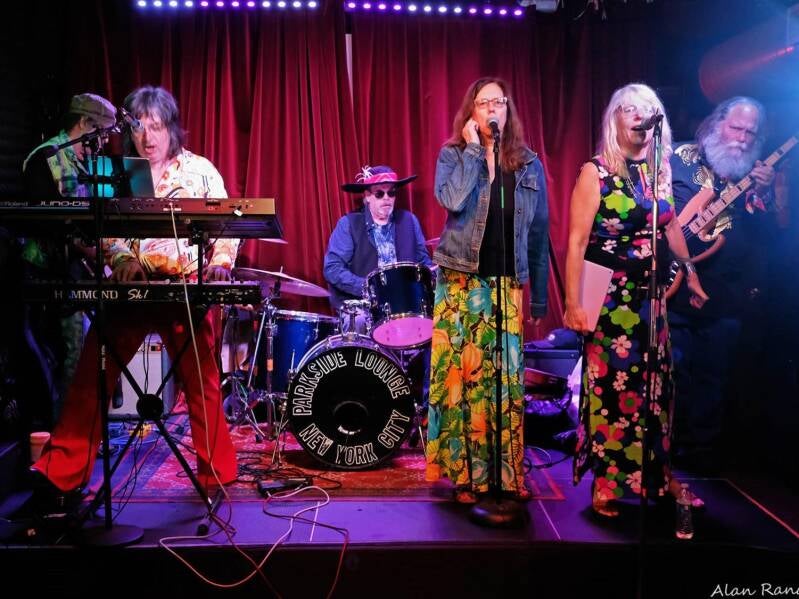
If there is a critique to be made, it’s that Mad Painter sometimes leaves the studio furniture right where it fell. In grander tracks like the Queen-esque "Shadow of the Words," the dense arrangements can feel a bit overcrowded, where a tighter mix might have given the individual instruments more bite. The decision to close an 11-track original record with a literal cover of Uriah Heep's "Circle of Hands" is also an interesting choice; while performed brilliantly, the band had already proven over the preceding tracks that their own voice is worth listening to.
Ultimately, Island Poetry is a triumph of authentic musicianship. Supported by the rock-solid rhythm section of Al Hendry and Kenne Highland, Mad Painter has delivered a record that feels alive, dynamic, and wonderfully out of step with the 2026 musical landscape. It's a must-hear for anyone who still believes in the power of a heavy riff and a roaring organ.
Add comment
Comments